Curriculum
41 related courses were offered in the 2024–25 academic year.
Policies
In response to the significant decline in shark populations globally, the University implemented its No Shark’s Fin Policy in 2012 to halt the consumption of shark fins. Subsequently, the Sustainable Procurement Policy and Sustainable Procurement Guidelines were extended to prohibit all purchases by CUHK that include shark fins, bluefin tuna, humphead wrasse, Hong Kong grouper, and sturgeon caviar. These restricted items may not be included in meals served at campus restaurants or at any events sponsored or arranged by the University.
Research
Coastal wetlands such as mangroves, salt marshes and seagrass meadows are crucial ‘blue carbon’ ecosystems, capable of long-term carbon sequestration and storage. A research team led by Professor Derrick Lai Yuk-fo from the Department of Geography and Resource Management at CUHK has identified subtropical brackish fishponds as one of the global ecosystems with the highest greenhouse gas (GHG) emissions, based on a two-and-a-half-year study. The team emphasises that protecting coastal wetlands, particularly mangroves, from conversion to aquaculture ponds could be an effective, nature-based climate solution. This research underscores the importance of immediate conservation action to halt mangrove deforestation, which is crucial not just for biodiversity but also for combating climate change.
A CUHK research team led by Professor Amos Tai, Department of Earth and Environmental Sciences (EES); Professor Joe Lee, Honorary Senior Research Fellow at the Institute of Environment, Energy and Sustainability (IEES); Dr Felix Leung, Honorary Research Fellow at IEES; and Yuen Nok-lam, a former researcher at EES, has conducted a study assessing the occurrence of Chinese white dolphins in the waters around Lantau Island, Hong Kong. The study analysed 13 natural and human factors that could affect dolphin populations across six water zones near Lantau Island, and found that dolphins in northern Lantau are most severely affected by land reclamation, high-speed vessels and water pollution. Understanding the impact of recent intense disturbances on dolphins has global significance, particularly in regions where dense human activity and rapid development pose significant threats to dolphin populations. This study not only provides important insights for the development of dolphin conservation policies in these regions but also aims to promote the development of international wildlife protection policies.
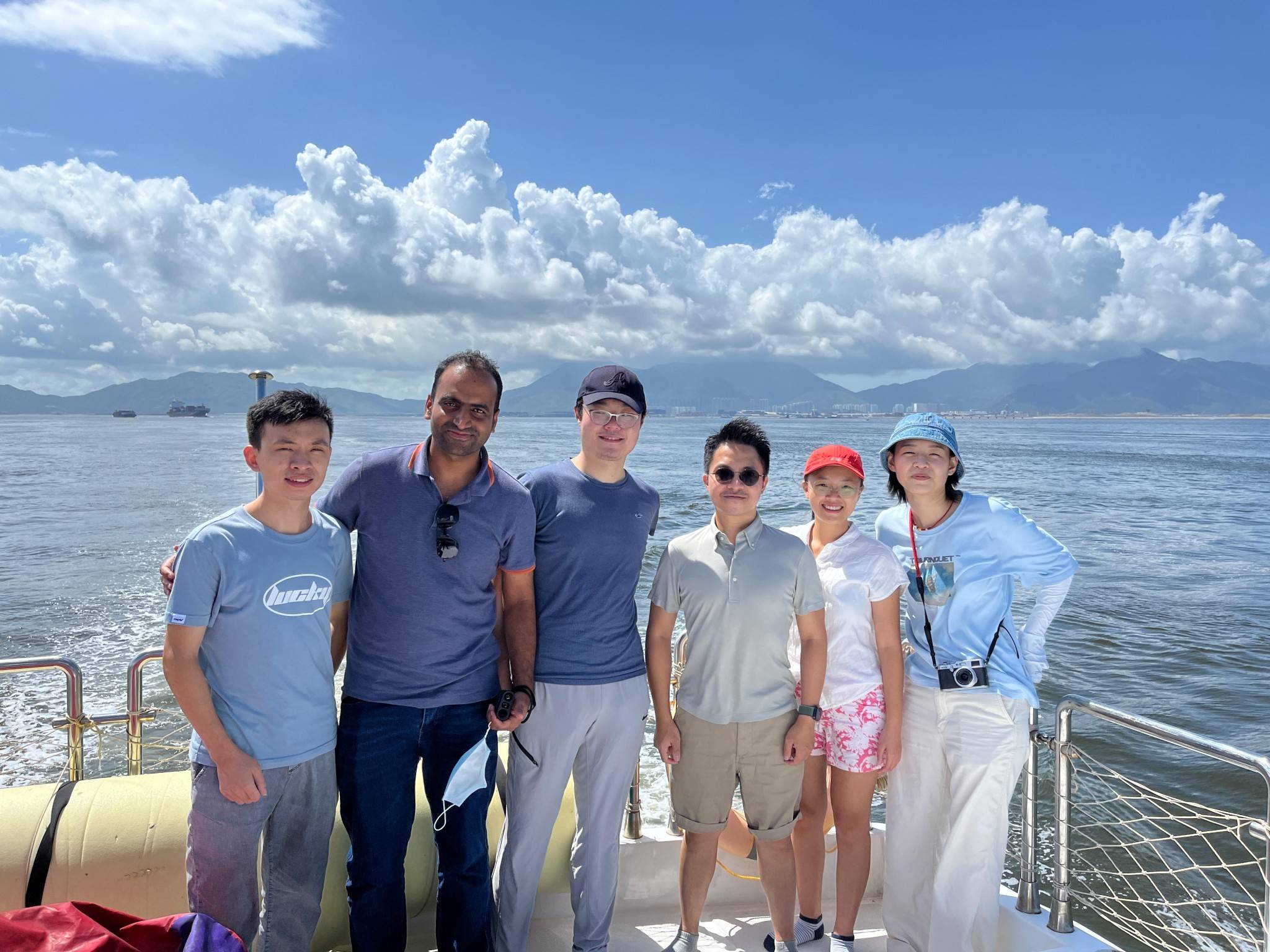
A recent study led by the Joint Centre for Environmental Sustainability and Resilience (ENSURE), a research partnership between CUHK and the University of Exeter, has revealed that coastal mega-cities, such as the Greater Bay Area of China, expose ocean wildlife and habitats to ‘relentless’ boat traffic, posing threats to the marine ecosystem. The research found an average of nearly 6,000 vessels operating daily in the Greater Bay Area, leaving minimal undisturbed space for marine species. In some conservation hotspots, disturbances occurred on 95% of days. This intense maritime activity increases shoreline erosion, water turbidity, noise pollution and the risk of collisions with wildlife. The study’s findings offer valuable insights into marine conservation and coastal planning and highlight the need to implement effective marine conservation measures.
Reviving local degraded aquatic ecosystem
Corals are of essential importance in sustaining marine biodiversity and building climate resilience. However, coral coverage in Hong Kong has declined significantly since the 1980s. The Coral Academy, based at the Simon F.S. Li Marine Science Laboratory at CUHK, focuses on coral conservation, restoration, and public education. The Academy has joined hands with WWF Hong Kong in an attempt to restore Hong Kong’s degraded coral communities. The partnership plans to see at least 1,000 coral fragments rescued, nurtured, returned to the sea, and then closely monitored by a research team from CUHK. The Academy specializes in novel coral restoration strategies, which are designed to mitigate coral population declines while preserving genetic diversity.
On 24 July 2025, the School of Life Sciences (SLS) of CUHK and the Pew Charitable Trusts co-organised a Research Symposium with the theme ‘Exploring research gaps and opportunities to achieve an effective 30×30 conservation vision for Hong Kong and the Greater Bay Area’. 13 scientists and experts contributed to a research-informed dialogue on opportunities to enhance area-based protection and restoration of marine habitats, attracting over 100 participants from both the public and private sectors. The event explored the feasibility and research direction of cross-border marine conservation and its contribution to the ‘30 x 30’ conservation vision under the Global Biodiversity Framework, which calls for the conservation of 30% of Earth’s land and sea by 2030 through protected areas and other conservation methods.
Supporting aquatic ecosystems through education
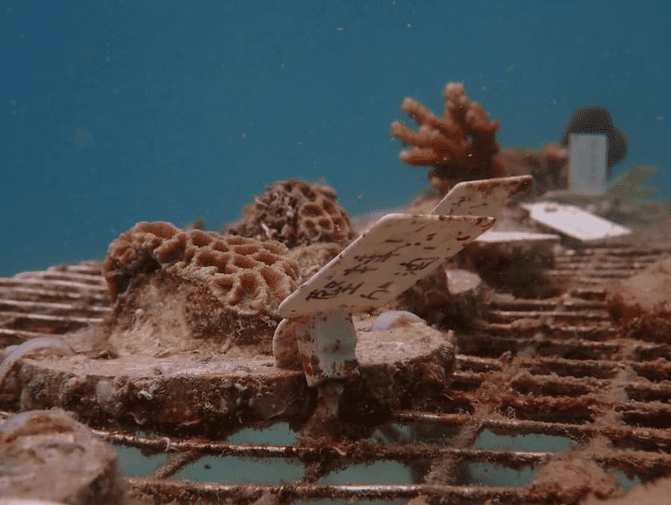
The Coral Academy organizes a range of engaging activities including seminars, workshops, lab visits, citizens science programmes and public exhibitions, which provide participants with a deeper knowledge of the vibrant marine biodiversity and coral communities that thrive within the waters of Hong Kong. It also fosters a deeper connection between local corals and students through hands-on involvement in coral restoration efforts through the School Coral Nursery Education Programme and AFCD x Coral Academy Coral Nursery Education Programme. During the past five years, The Academy has successfully engaged with around 100 local schools, over 30,000 students and teachers, and over 740,000 public through extensive education outreach efforts.
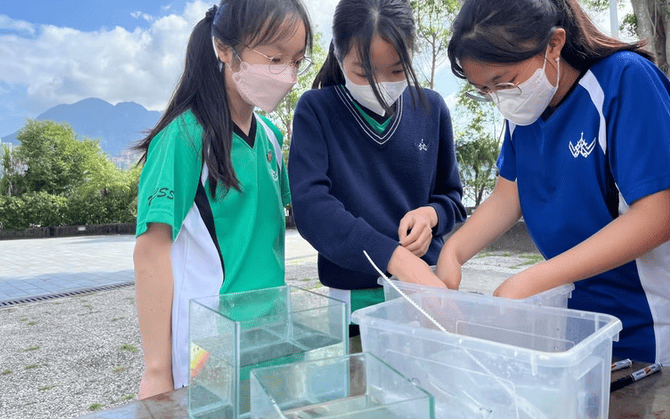
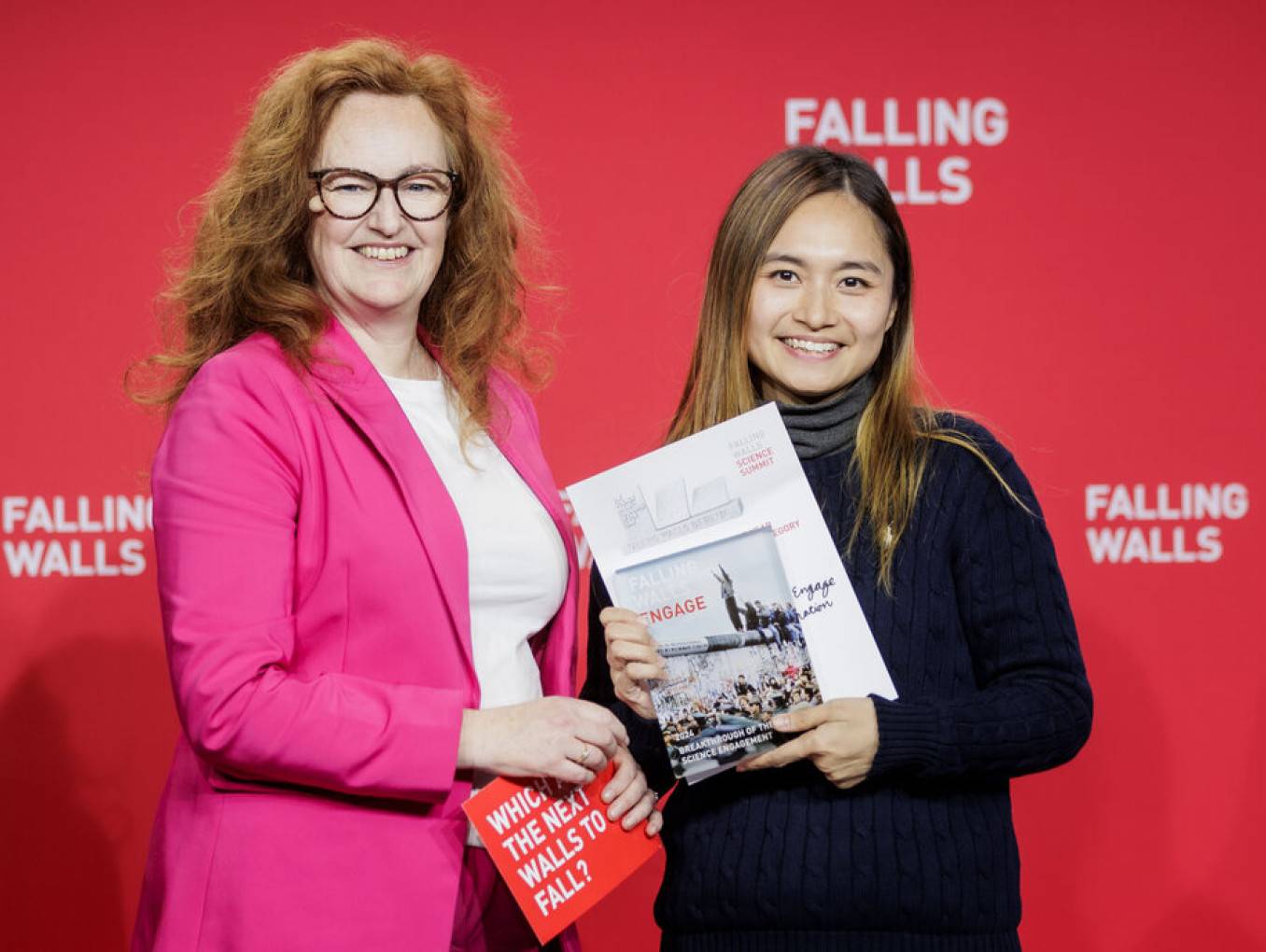
Professor Apple Chui, founder of the Coral Academy and an Assistant Professor at SLS, won the ‘Falling Walls Science Breakthrough of the Year Award - Science Engagement Category’ at the Falling Walls Science Summit with her Coral Nursery project. The project addresses climate change by conserving coral reefs threatened by warming oceans and environmental degradation. Schools are turned into coral nurseries where students care for fragments which are later returned to the ocean by researchers, fostering hands-on environmental stewardship. The project aims to raise awareness, encourage marine-friendly lifestyles, and build a lasting connection with nature through education and direct conservation work.