Curriculum
118 related courses were offered in the 2024–25 academic year.
Research
The Hong Kong Institute of Asia-Pacific Studies conducted a telephone survey in May 2025, to gauge public perceptions of wealth disparity in Hong Kong. Like last year’s survey results, it revealed that 70% of respondents viewed the disparity between the rich and the poor as a serious issue, According to the survey, 10% of participants also reported that their household income was insufficient for their daily expenses. In light of the current situation, 81% of participants believed that the government should increase efforts to address the wealth gap, and 51% said that they were prepared to pay higher taxes to assist the poor.
The Society for Community Organization commissioned the Department of Social Work at CUHK to research poverty among vulnerable families in Hong Kong. The participants included 530 children and adolescents from disadvantaged families and 108 from a control group. The survey results, published in June 2025, indicated that over half of the respondents from low-income families received no regular pocket money, hindering their ability to learn financial management. Nearly 80% of them also faced multiple deprivations in terms of material resources, learning equipment, accommodation, and social opportunities, which pose a threat to their long-term academic performance, mental health, and social development.
Offering financial aid to students in need
Financial aid schemes, including University Bursaries and Loans, Emergency Bursaries and Loans, Student Residence Bursary Scheme and Summer Subsistence and Travel Loan Scheme were offered to students with financial difficulties to support their studies and help with their hostel residence fees. A Student Campus Work Scheme was also introduced to help undergraduates improve their finances by taking advantage of on-campus part-time job opportunities.
Supporting government’s anti-poverty effort
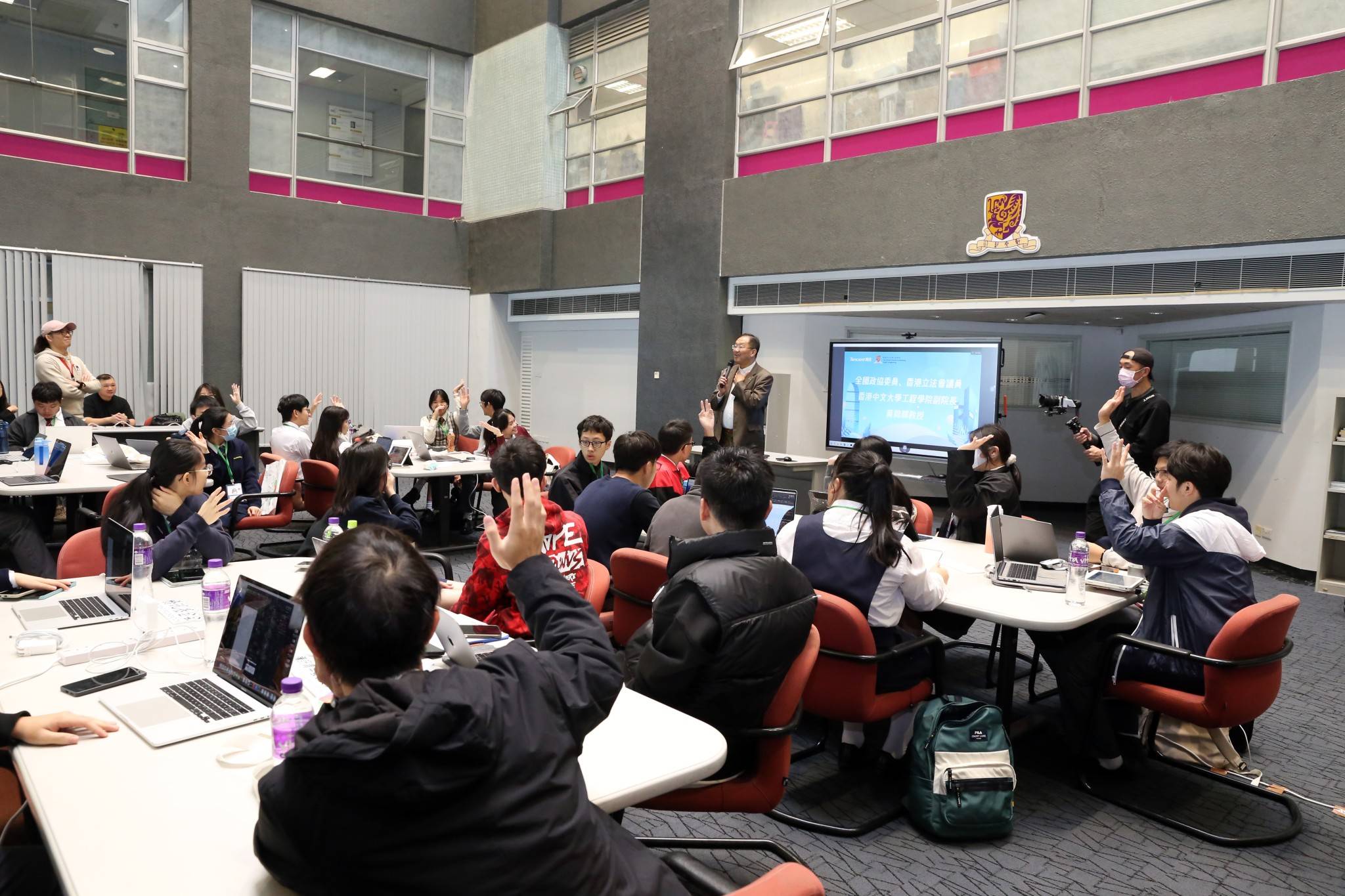
In support of the HKSAR Government’s effort to alleviate intergenerational poverty, CUHK announced a landmark partnership with the Strive and Rise Programme. This government-led programme supported nearly 3,000 junior secondary school students from underprivileged families, providing the participants with mentorship, personal development planning and financial assistance. CUHK was the first local higher education institution to receive mentees from the programme. Several workshops and sharing sessions were held over the past two years to inspire and nurture the next generation of learners.
Caring for the community
We tend to think of ‘poverty’ as meaning that a person does not have sufficient resources to make ends meet, but it can also refer to an individual’s relative disadvantage compared with the majority. Since 2015, the Office of Student Affairs has been maintaining the Lean Poverty Alleviation Initiative. Through experiential learning activities and direct services, the programme allows CUHK students to explore the underlying causes of poverty in Hong Kong and build an enabling environment to moderate poverty.
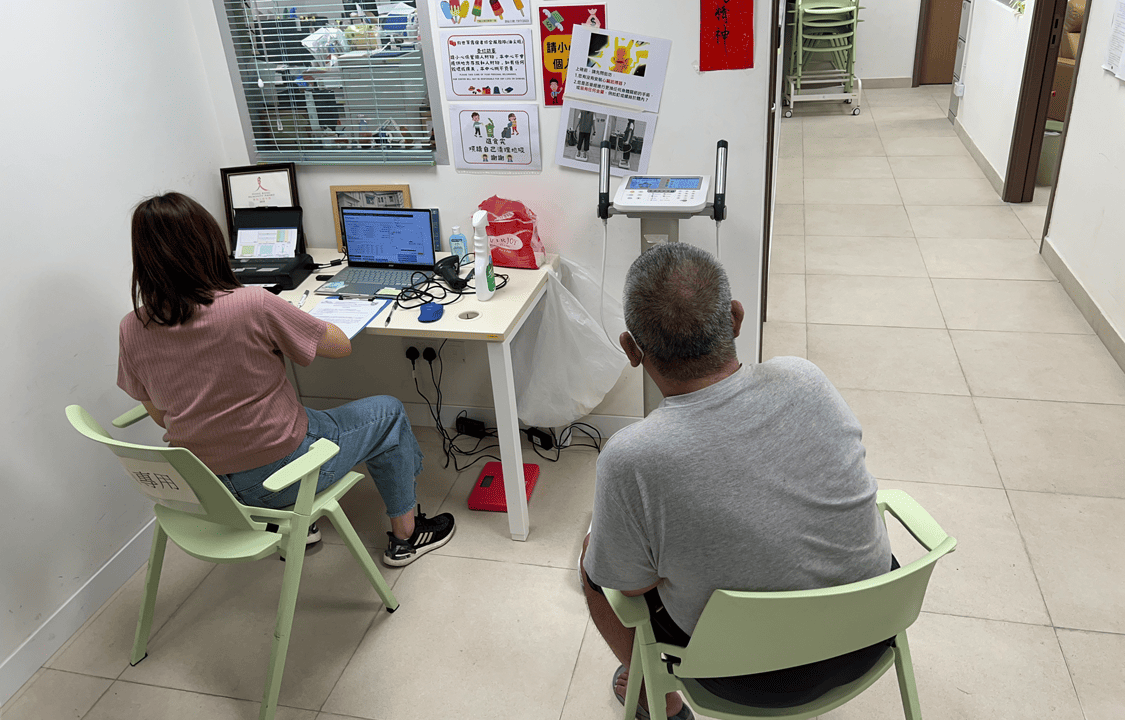
Our students and staff members run different projects with the support of the SDG Action Fund for various underprivileged groups, such as asylum seekers, ethnic minorities, migrants, and the homeless in Hong Kong. A recent community health campaign, led by Professor Crystal Chan Ying, Research Assistant Professor at the Jockey Club School of Public Health and Primary Care, has equipped street sleepers with essential health skills to help tackle poverty. Partnering with local NGOs, the project provided practical health management workshops and wound care training to over 30 participants. By addressing these critical needs directly, the project not only improves individual well-being but also reduces the impact of poverty and helps to eliminate inequalities within our society.
Joining hands to alleviate poverty
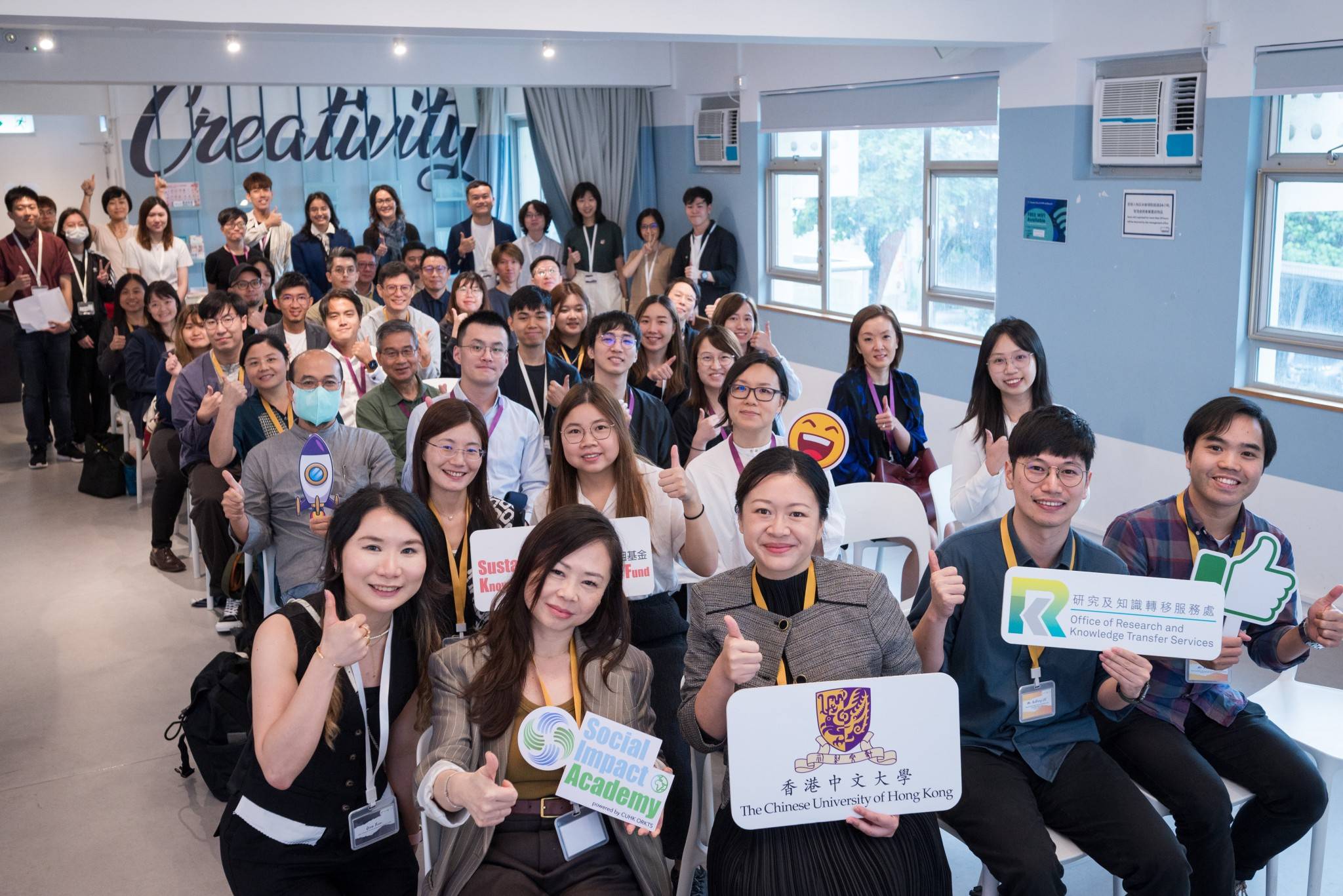
In May 2024, the Social Innovation Team from the Office of Research and Knowledge Transfer Services at CUHK, in partnership with the Hong Kong Council for Social Service, hosted the ‘Innovation for Targeted Poverty Alleviation’ event. Over 80 attendees gathered to explore innovative strategies for tackling poverty in Hong Kong, including discussions on the ‘Community Living Room’ initiatives. The event featured keynote presentations, best practices sharing, and interactive design-thinking workshops, fostering collaboration among NGO practitioners and CUHK professors. Through cross-sector dialogue, participants co-created ideas aimed at better serving disadvantaged groups, making significant strides in poverty alleviation efforts.