Curriculum
114 related courses were offered in the 2024–25 academic year.
Policies
CUHK is committed to exceeding the basic legal requirements for waste management in Hong Kong. Through its Waste Management Policy and Guidelines, CUHK follows a ‘waste hierarchy’ approach, focusing on the ‘6Rs’: Rethink, Refuse, Reduce, Reuse, Repair, and Recycle. Priority is given to reducing waste at the source and promoting the sustainable use of resources, through recycling or similar approaches. CUHK’s Sustainable Procurement Policy ensures that products and services purchased have minimal environmental and public health impacts throughout their life cycle.
CUHK frequently hosts events of various kinds both on and off-campus. The Sustainable Event Planning and Management Guidelines and the Sustainable Student Orientation Guidelines have been established for all units, including student unions. These guidelines, which streamline event planning, aim to mitigate environmental harm while also enhancing students’ experiences on campus. In addition, the ‘GO! Checklist’ of the Green Office Programme sets out simple yet effective measures that guide CUHK staff in achieving environmental excellence in daily operations and improving sustainability performances.
Minimizing waste production
Plastic waste accounts for 19.5% of our daily garbage in Hong Kong. To reduce emissions of greenhouse gases, recycling is essential to help minimize the usage of raw materials and the production of short-lived waste. CUHK launched the ‘Plastic-free Campus’ campaign in 2018 to encourage students, staff and caterers to work together to go ‘plastic-free’ and build a sustainable green campus by discontinuing the use of plastic disposables. Since 2021, the campus has discontinued (a) the sale or supply of plastic bottled water containers of 1L or below on campus, and (b) the use of polyfoam meal containers in catering outlets and events. Water dispensers and reusable takeaway tableware rental services have been introduced to minimize waste production on campus.
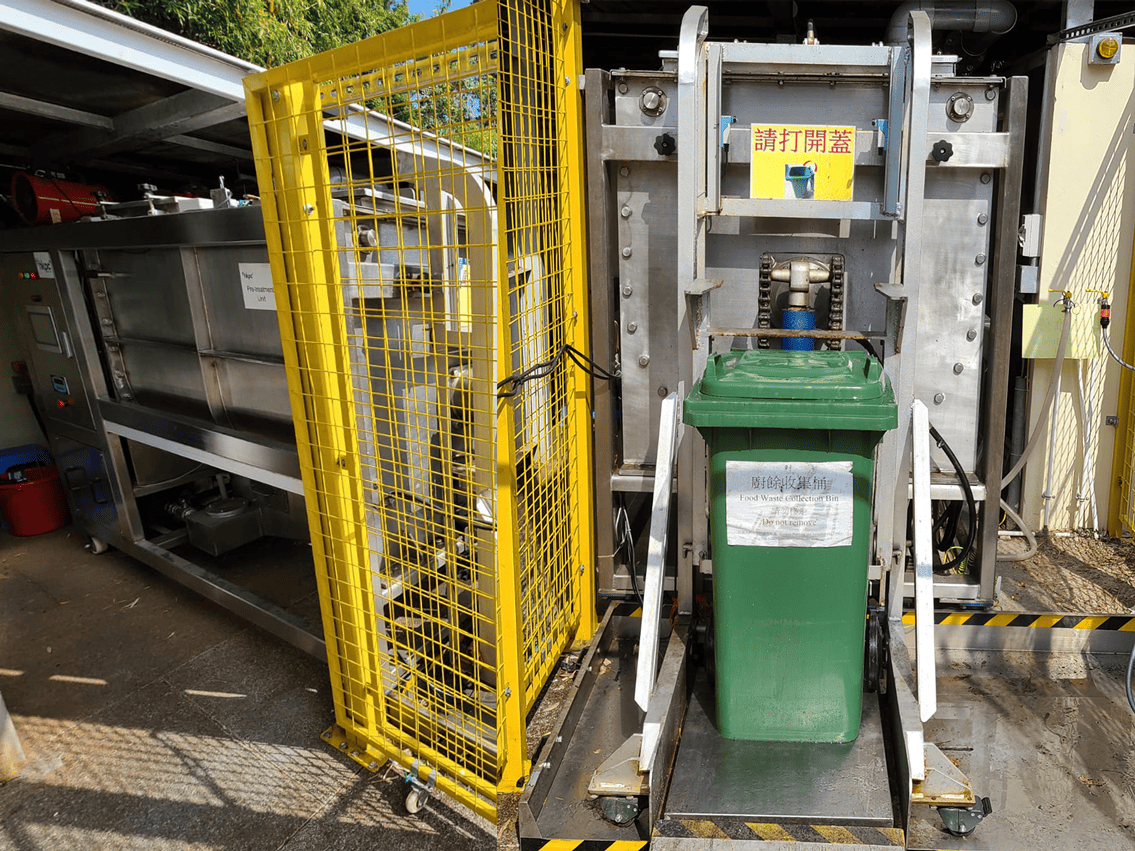
Most of Hong Kong’s food waste is disposed of at landfills together with other municipal solid waste. 3,191 tonnes of food waste, accounting for 29.3% of Hong Kong’s total municipal solid waste is dumped in landfills in Hong Kong every day. This practice is ultimately unsustainable. To address this issue, CUHK has collaborated with the Hong Kong Productivity Council to test a pioneering food waste pre-treatment system on campus, known as Food TranSmarter. The system redefines food waste recycling by converting food waste into slurry on-site. The slurry is then transported to the Tai Po Sewage Treatment Works where it is used to produce biogas, and ultimately to generate electricity. This innovative approach diverts approximately 42 tonnes of food waste from landfills annually, transforming it into valuable energy resources.
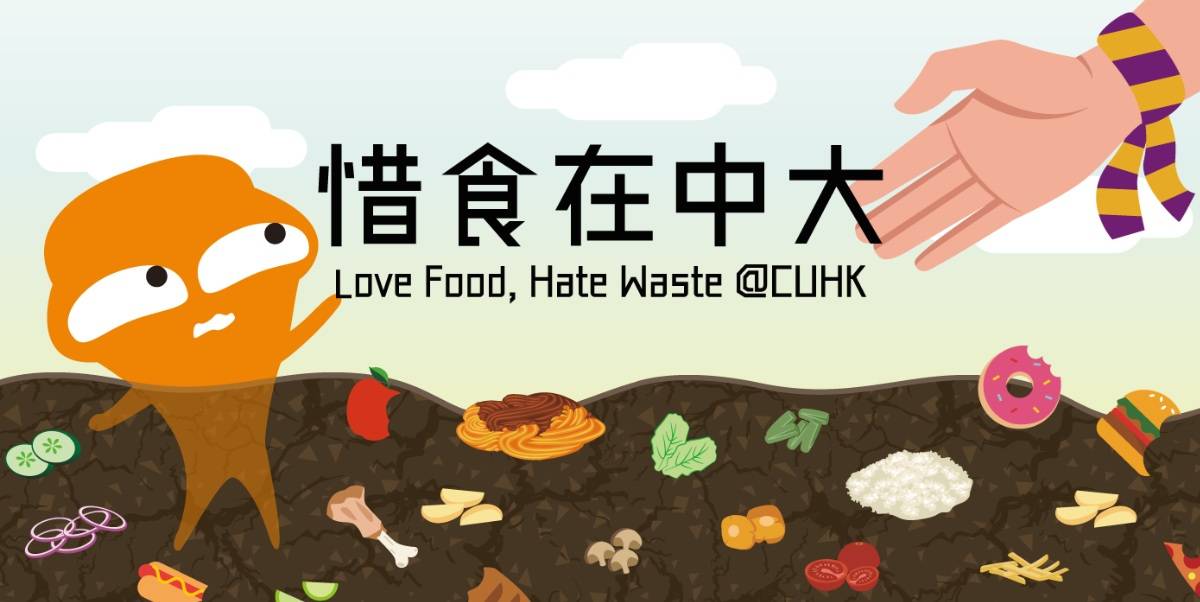
Although advances in food waste treatment technologies hold promise for resource recovery, CUHK remains firmly committed to prioritizing waste reduction at its source. This commitment is exemplified through the ‘Love Food, Hate Waste @CUHK’ campaign, which includes initiatives such as ambassador programmes, canteen promotions, and the establishment of recycling facilities for caterers. By integrating sustainable practices and cutting-edge solutions, CUHK continues to lead the way in fostering a more environmentally conscious and resource-efficient campus community.
Promoting responsible material use and recycling
The Yard for Environmental Sustainability (YES) Pavilion, first established in 2011 as a free-cycling platform on campus, was officially launched in June after redevelopment. The new YES Pavilion provides CUHK students and staff with a shared space that integrates environmental education, recycling, low-carbon leisure, and community interaction. It is part of a broader campus sustainability initiative to promote responsible material use, recycling and a green environment. The redevelopment was completed by researchers from the School of Architecture, the Department of Mechanical and Automation Engineering and the Centre of Robotic Construction and Architecture, in collaboration with the Social Responsibility and Sustainable Development Office, using innovative technologies and design solutions. A key technology utilised was CU-Brick, an automated, cable-driven robotic system. This practical application of intelligent construction technology on campus typifies the University’s commitment to building a sustainable campus.
.jpg)